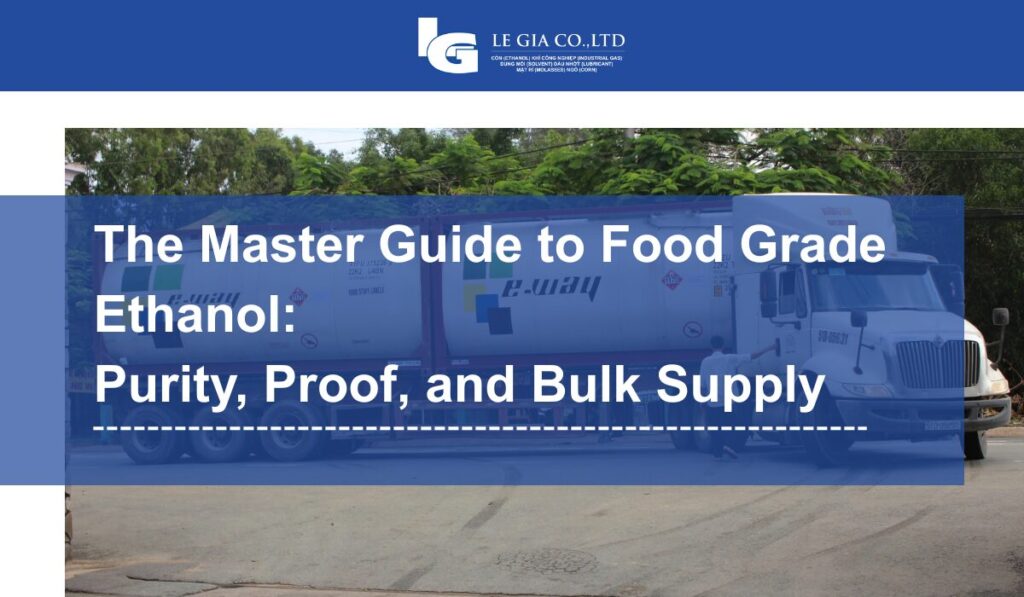
When you source food grade ethanol, you are buying the core of your operation. Yet, the chemical market is a complex minefield. The fear is real: you worry about a supplier shipping you contaminated or illegally denatured alcohol, which could compromise your product safety, trigger a recall, or devastate your brand’s reputation. You need more than just a chemical; you need guaranteed, certified, and compliant pure ethyl alcohol at a stable bulk price.
This expert guide, written by industry specialists, cuts through the confusion. We don’t just explain the standards; we show you how to vet your supply chain, ensuring you secure the highest quality, undenatured alcohol that meets your every technical and regulatory demand.
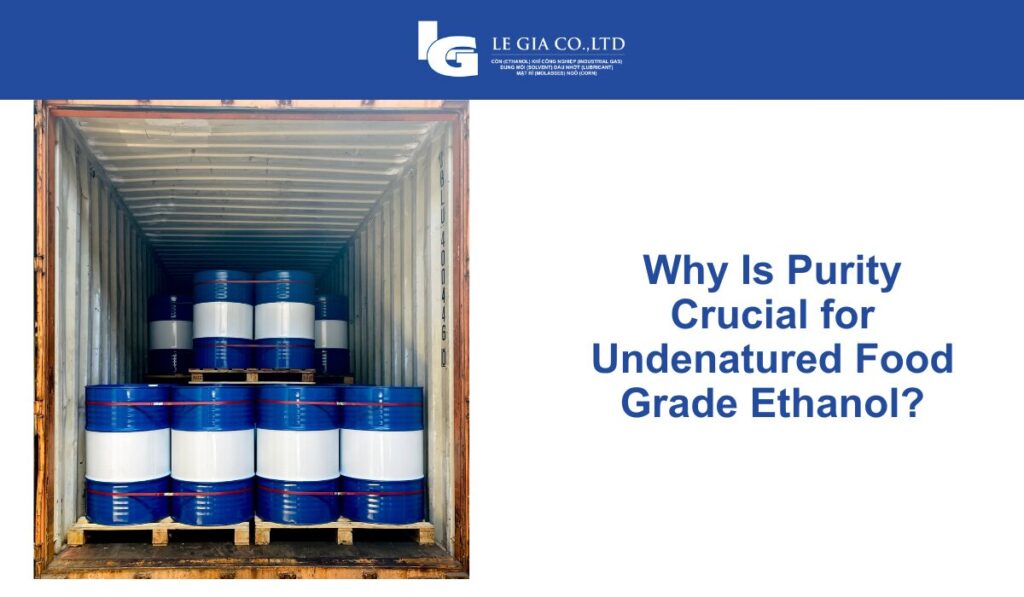
Why Is Purity Crucial for Undenatured Food Grade Ethanol?
Purity is not a preference in the food and pharmaceutical industries – it is a mandatory commercial and ethical requirement. For food grade ethanol to be designated as such, it must meet a chemical standard that guarantees the absolute absence of toxic additives.
This highly specialized substance, also known as ethyl alcohol for human consumption, is the safest and most efficient solvent for extracting delicate flavors and active botanical compounds. The reason purity is crucial is simple: any chemical impurity, even in trace amounts, can fundamentally change the safety profile, efficacy, and flavor outcome of your final product.
This is why certified manufacturers focus obsessively on the distillation process and rigorous testing protocols, ensuring the final product receives GRAS Status (Generally Recognized as Safe) from regulators.
When procuring extraction grade ethanol bulk, you must insist on a supplier who treats their alcohol as a premium food ingredient, not a general commodity. This commitment to purity is what separates industry leaders from basic commodity traders, providing essential Trustworthiness and Supply Chain Integrity.
What is the chemical definition of pure ethyl alcohol?
Pure ethyl alcohol is the common name for the compound Ethanol (chemical formula C2H5OH). As professional ethanol manufacturers, we define it as a simple, colorless, and volatile organic compound. Its defining feature is its versatility as a solvent; it easily mixes with water (H2O) and can dissolve fat-soluble compounds like oils and resins.
This dual capability makes it an unparalleled Extraction Solvent. Purity is measured by its concentration, which is expressed as a percentage or in Proof (twice the percentage). The ability to achieve and maintain this extreme level of purity, free from other organic compounds (congeners), is the chemical benchmark for true Food Grade Ethanol. The final product should carry the universally recognized CAS No. 64-17-5.
How does non-denatured differ from industrial alcohol?
The distinction between non-denatured and industrial alcohol is critical, representing the single most important safety check for buyers. Non-denatured alcohol (also called undenatured alcohol) is ethyl alcohol that has no additives whatsoever; it is pure, potent, and safe for consumption when diluted.
It is the only acceptable form for use in food, flavor, or pharmaceutical applications. By contrast, industrial alcohol is almost always denatured alcohol. Denaturing is the process of adding toxic or foul-tasting substances, called denaturants (such as methanol, isopropyl alcohol, or Denatonium Benzoate), to make the alcohol unsafe to drink.
This is done to exempt the product from high federal beverage taxes, making it cheaper for uses like cleaning or fuel. A responsible FCC certified ethanol supplier will clearly label and manage these products separately. If you are procuring for any human-contact application, you must insist on a certified non-denatured grain alcohol product to avoid catastrophic health and legal risks.
Why is testing for methanol absolutely non-negotiable?
Testing for Methanol (wood alcohol) is absolutely non-negotiable because it is a silent, potentially lethal contaminant. Methanol (chemical formula CH3OH) is highly toxic, causing irreversible damage like blindness or death even at low exposure levels.
Because methanol is often used as an inexpensive denaturant in industrial alcohol, it poses a severe risk of cross-contamination in substandard supply chains.
Comprehensive, independent laboratory testing, usually via Gas Chromatography (GC), is required to verify that the methanol content is virtually non-existent or, at minimum, far below the 200 PPM limit set by most international standards. This rigorous screening, which must be documented on a Certificate of Analysis (COA).
What does the GRAS status truly mean for human consumption?
The GRAS Status (Generally Recognized as Safe) is the FDA’s assurance that a substance is deemed safe for its intended use in food, based on broad scientific consensus.
For food grade ethanol, this status is paramount for manufacturers producing anything that will be ingested, from tinctures to food colorings and extracts. It elevates the ingredient beyond a simple industrial chemical. It means that qualified experts have reviewed its toxicological and usage data and found it safe when used correctly as a Food Additive or processing aid.
Which Regulatory Standards Must My Ethanol Meet?
Navigating the landscape of ethanol quality requires understanding a complex hierarchy of technical specifications and regulatory standards. For a product to be definitively considered food grade ethanol, it must meet rigorous, published guidelines, far surpassing the quality of general commodity chemicals.
These standards – primarily FCC (Food Chemicals Codex) and USP (United States Pharmacopeia) – are the cornerstones of ensuring public safety and product integrity. The proof level, a direct measure of its concentration, is intertwined with these standards, dictating the ethanol’s application efficacy and legal status.
A 190 Proof product, for instance, is the industry standard for potability and many extractions, whereas 200 Proof Ethanol is the benchmark for applications requiring absolute water-free purity. Furthermore, for a global and diverse customer base, meeting ancillary compliance benchmarks like Kosher and Halal certifications is essential, proving that the product and its manufacturing process adhere to specific religious and dietary law – a hallmark of a high-quality, internationally-minded supplier.
What is the difference between FCC Grade and USP Grade?
FCC Grade and USP Grade represent two distinct, yet often overlapping, benchmarks of purity. FCC (Food Chemicals Codex) is a standard focused purely on the quality and identity of ingredients used in food and beverage production.
If your Extraction Solvent is destined for flavorings, baked goods, or food additives, FCC Grade compliance is essential. USP (United States Pharmacopeia), on the other hand, sets the standards for pharmaceutical use, requiring the product to be suitable for use in medicines, dietary supplements, and pharmaceutical preparations (e.g., medical tinctures or topical antiseptics).
While there is significant overlap, USP standards are often viewed as slightly more rigorous regarding residual solvents and impurities, making a product that is certified to both standards (FCC/USP) the highest benchmark of quality and safety for the Specialty Chemical Procurement Manager.
How is ethanol purity related to its specific proof number?
The proof number is a traditional measure of alcohol content, predominantly used in the US, defined as twice the percentage of alcohol by volume (ABV). For example, 100 Proof is 50% ABV, and 190 Proof is 95% ABV. This Proof level directly reflects the Purity (%) of the ethanol. The concept of 190 Proof Ethanol is key due to the Azeotrope, a constant-boiling mixture of 95.6% ethanol and 4.4% water (H2O).
This is the maximum concentration achievable via conventional distillation. Achieving 200 Proof Ethanol (99.9% pure) requires additional, specialized dehydration processes, such as using molecular sieves or chemical drying. The choice between these two levels is a major decision for buyers, as 200 Proof commands a higher price but is essential for anhydrous (water-free) applications like specific solvent extractions or Perfumers Alcohol.
What is the maximum purity of 190 Proof vs 200 Proof?
The maximum theoretical purity for 190 Proof Ethanol is approximately 95.6% ABV (Alcohol by Volume). This is the concentration at which the ethanol and water (H2O) molecules bond into an azeotrope, preventing further separation through simple distillation. 200 Proof Ethanol, conversely, represents the highest practical purity at 99.9% ABV.
The difference of 4.3% water content has a major impact on applications. For Extraction Solvents, water can limit the efficacy of extracting non-polar compounds (like certain essential oils). For bakers/chefs, water slows down the desired rapid evaporation of the alcohol. Therefore, while both are high-quality, non-denatured products, 200 Proof is the superior, non-azeotropic choice for processes demanding absolute purity and dryness.
Are Halal and Kosher certifications required for my product?
Whether Halal and Kosher certifications are required depends entirely on your target market and the religious/dietary constraints of your consumers. These certifications are a form of specialized compliance, a highly valuable Root Attribute of the ethanol.
Kosher certification ensures the production process meets Jewish dietary laws, including the cleanliness of equipment and sourcing of materials. Halal certification ensures adherence to Islamic law, requiring the ethanol to be sourced from approved feedstocks and processed without the use of prohibited substances.
For businesses with global distribution (like Le Gia’s, which operates in Asia, Australia, and Canada) or those targeting specific communities in the US, providing certified Kosher and Halal ethanol is a powerful mechanism for expanding market access and establishing deep Trustworthiness.
How Do Raw Materials Affect My Final Product Quality?
The raw material used to produce food grade ethanol is often a neglected topic, but for expert formulators, it is a crucial differentiating factor. The ethanol molecule (C2H5OH) is chemically the same whether it comes from corn, sugar cane, or wheat. However, the final product retains trace amounts of organic compounds, known as congeners, derived from the original feedstock.
These trace compounds impart a subtle, often characteristic, residual odor and unwanted flavor that can affect the most sensitive applications, especially in fine perfumery or high-end extracts. Choosing the right source is a key element of Expertise in high-quality ethanol manufacturing.
How does sugar cane ethanol differ from corn-based grain alcohol?
The primary difference between sugar cane ethanol and corn-based grain alcohol lies in their post-distillation sensory profiles. Corn-based grain alcohol, the most common feedstock in the US, is often highly rectified to achieve a very neutral, almost odorless profile, but some users detect a slight, residual “grain” or “vodka-like” sharpness.
Sugar cane ethanol, derived from fermented molasses or cane juice, is widely sought after by master blenders and perfumers for its perceived smooth, slightly sweeter Flavor Carrier profile. This difference, although subtle, is critical for products where the solvent is meant to evaporate cleanly and leave no discernible trace on the final taste or scent. For high-purity, premium markets, the investment in a Sugar Cane Ethanol base is an investment in organoleptic quality.
Which ethanol source minimizes unwanted flavor or residual odor?
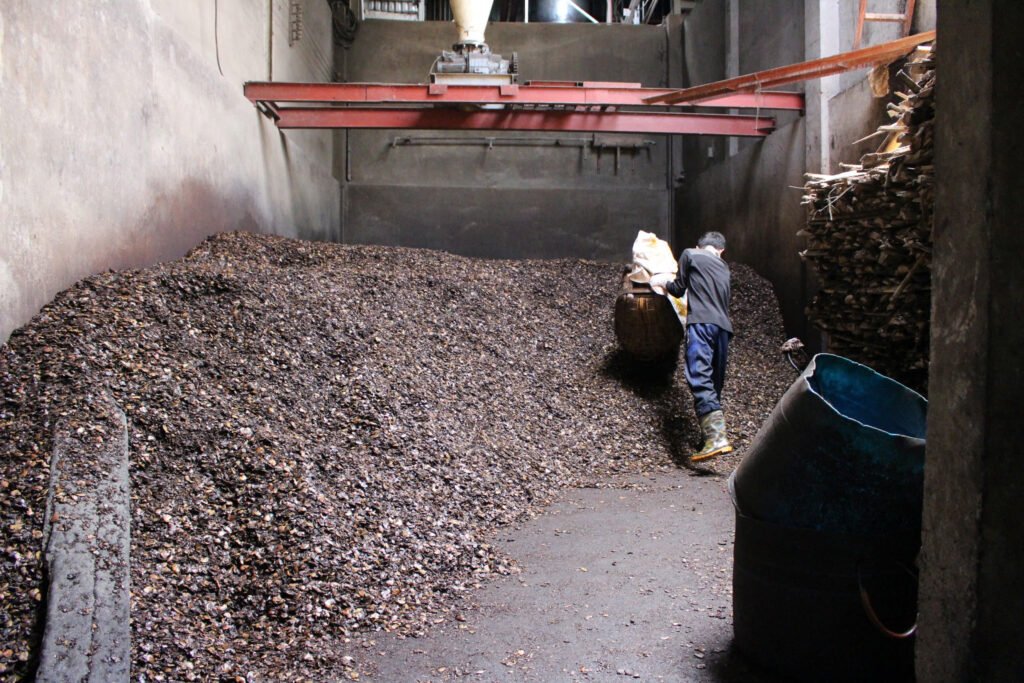
The goal for minimizing unwanted flavor or residual odor is to source Extra-Neutral Alcohol (ENA). This purity is achieved through a multi-stage distillation and rectification process that targets the removal of congeners.
While highly processed ethanol from any source can be nearly odorless, Sugar Cane Ethanol is often preferred as its natural congeners are typically less pungent than those found in grain alcohol. The most effective way to guarantee neutrality is not solely the source, but the supplier’s commitment to superior rectification technology.
Look for manufacturers who detail their process, such as those using multiple column stills and advanced filtration, ensuring the product’s quality surpasses basic FCC Grade requirements and achieves maximum sensory neutrality for use in delicate cosmetics and perfumes.
How does the distillation process ensure the highest possible purity?
The distillation process is the core manufacturing expertise that ensures the highest possible Purity in food grade ethanol. It begins with fermentation, followed by multi-column distillation. In a continuous column still, the alcohol mixture is heated, and the vapor rises, condensing back into liquid at higher concentrations.
Impurities with lower boiling points (like certain aldehydes) and those with higher boiling points (like heavy fusel oils) are physically separated and removed at different stages of the columns. This sophisticated process, known as rectification, is what produces 190 Proof ethanol. To maintain this Purity Level in bulk, every aspect of the handling and storage, including the use of stainless steel, is vital to prevent any contamination before the product is delivered to the customer.
What Are the Primary Commercial Uses for Bulk Ethanol
The utility of food grade ethanol is vast, driven by its unique status as a safe, highly volatile, and dual-polar Extraction Solvent. For industrial and artisan clients procuring Ethanol Bulk Price quantities, it is the fundamental raw material that allows for efficient, safe, and compliant product development across multiple sectors.
This versatile liquid is not just a carrier; it is a critical component in stabilizing, preserving, and extracting the essence of other ingredients. From drawing out the therapeutic compounds in herbs to suspending color pigments for edible art, its commercial value is enormous.
How is ethanol used as an essential, high-efficacy extraction solvent?
Ethanol is arguably the most essential Extraction Solvent in the food and herbal industries due to its dual polarity. Because it can dissolve both water-soluble and fat-soluble components, it is a high-efficacy medium for drawing the full spectrum of compounds – essential oils, vitamins, minerals, and active botanicals – from plant matter.
The ability to pull out both polar and non-polar constituents simultaneously results in a full-spectrum extract, often desired for maximizing therapeutic or flavor complexity. Using a high-proof, FCC Grade solvent ensures minimal water (H2O) interference, maximizing the extraction yield and speed – a critical economic factor when dealing with expensive botanicals or high-volume industrial processing.
Why is high-proof ethanol critical for creating flavor and herbal tinctures?
High-proof, undenatured alcohol (190 or 200 Proof Ethanol) is critical for creating flavor and herbal Tinctures for two primary reasons: solvency and preservation. High proof maximizes the solvent’s ability to extract non-polar, volatile oils and resins, which are responsible for the concentrated flavor or therapeutic effect.
For example, in making vanilla extract, high-proof alcohol rapidly dissolves the vanillin compounds. Furthermore, high alcohol content acts as a powerful Antimicrobial Agent and preservative. A final ABV of around 60% to 80% is often necessary to provide a shelf-stable tincture, making the use of high-concentration Pure Ethyl Alcohol a functional necessity to maintain the quality of the product over time.
How does ethanol function as a safe food additive and preservative?
As a Food Additive, ethanol is primarily used as a carrier for flavorings and food colors. Its high volatility is key: when applied to surfaces or mixed into heated foods, it rapidly evaporates, leaving behind only the flavor or color essence. In confectionary and baking, it is used to thin edible paints and glazes without adding unwanted moisture, facilitating rapid drying and a professional finish.
Its secondary, but equally important, role is as a preservative. Its antimicrobial properties inhibit the growth of yeasts, molds, and bacteria, making it a natural choice for preserving items like fruit in confectionery or ensuring the shelf-stability of many prepared food products. This dual function, coupled with its GRAS Status, makes it an irreplaceable ingredient in modern food manufacturing.
What role does ethanol play in formulating cosmetics and perfumes?
In the cosmetics and perfume industry, food grade ethanol (often referred to as Perfumers Alcohol) acts as the primary carrier and diluent. Its rapid evaporation rate is essential, allowing the fragrant essential oils to bloom and linger on the skin after the alcohol base has dissipated.
Furthermore, it helps solubilize and stabilize various cosmetic ingredients, ensuring a homogenous mixture in products like toners, hair sprays, and lotions. Using a pure, non-denatured alcohol is mandatory, especially for products applied to the skin, as it avoids the skin-irritating and toxic residues found in denatured industrial solvents.
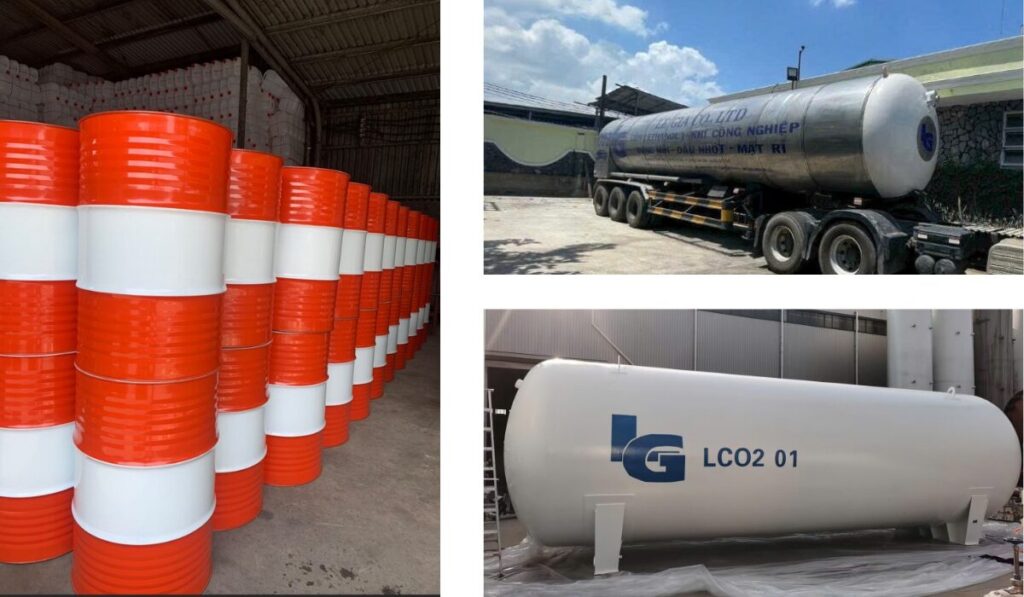
How Can I Secure Compliant Bulk Food Grade Ethanol From Le Gia?
Le Gia provides the assurance of a specialized manufacturer with the deep logistical and compliance expertise needed to manage your supply chain seamlessly. Our commitment is to offer Premium Food-Grade Ethanol that meets the most stringent global benchmarks – including Food Ethanol International Standard at a competitive, transparent bulk price, ensuring your continuity of supply is never compromised.
What TTB permits and legal requirements apply to undenatured alcohol?
The most common point of failure for US buyers procuring large volumes of undenatured alcohol is neglecting the TTB (Alcohol and Tobacco Tax and Trade Bureau) regulations. Because this alcohol is potable, the TTB treats it as a high-tax product.
Commercial end-users, especially those buying in volumes greater than five gallons (or similar threshold amounts), must obtain a specific TTB permit, such as a User Permit, which dictates the proper storage, use, and record-keeping procedures. Ignoring this step is illegal and carries severe penalties.
As an expert partner, Le Gia provides the necessary technical and logistical documentation to guide you through the permitting process, ensuring seamless, compliant procurement of Ethanol Bulk Price quantities.
How do I calculate the total cost of ownership (TCO) for 190 vs 200 proof?
Calculating the Total Cost of Ownership (TCO) for 190 Proof vs 200 Proof is a critical business metric. TCO involves more than just the initial Ethanol Bulk Price. While 200 Proof Ethanol is always more expensive per gallon due to the high cost of the dehydration process, it may be more cost-effective if its 4.4% water (H2O) reduction translates to higher yields or faster processing for your extraction or formulation.
For bulk purchasing, TCO must also factor in the cost of TTB compliance, freight (including hazmat fees), and, crucially, Supply Chain Integrity. Le Gia’s strategic control of the full supply chain, including production, trading, and blending, allows us to offer optimized logistics and transparent pricing, which significantly lowers your long-term TCO.
Why is a robust, international supply chain critical for stability?
A robust, international supply chain is critical for insulating your business from local market shocks and ensuring long-term Supply Chain Integrity. Domestic ethanol markets are often volatile, prone to disruptions from weather events, regulatory changes, or local plant outages.
A supplier with a Global Presence and extensive International export experience, like Le Gia (serving major clients across Asia, Australia, and Canada), can leverage diversified sourcing and logistical networks. This wide reach – proven by partnerships with global industry leaders such as ACECOOK, Nutifood, and AJINOMOTO – means that a disruption in one region will not halt your production.
This guarantee of consistent, high-quality Food Grade Ethanol supply, backed by a proven track record, is the ultimate assurance for a major B2B buyer.
Conclusion About Food Frade Ethanol
Purity is not a feature; it is the fundamental guarantee, quantified by verifiable standards like FCC Grade and 200 Proof. Your ultimate success relies on securing a compliant, high-efficacy, undenatured alcohol source that understands the intricacies of TTB regulation and the subtle impact of raw materials on your final product.
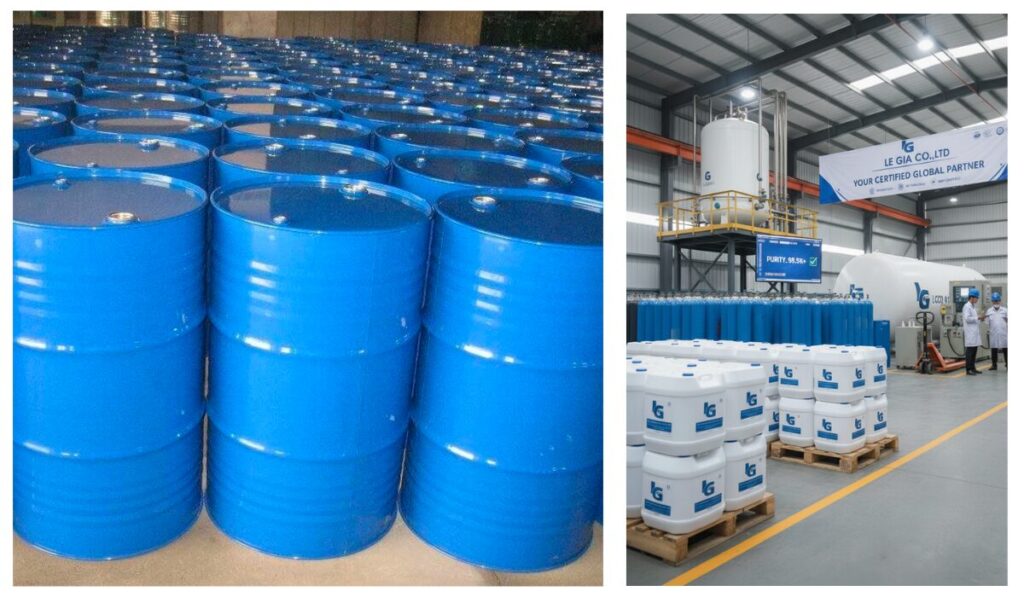
Le Gia is your specialized partner, offering not just Premium Food-Grade Ethanol that meets the most stringent global standards, but the deep logistical and compliance expertise trusted by global leaders like ACECOOK, AJINOMOTO.
Contact Le Gia today to discuss your bulk Food Grade Ethanol needs and establish a partnership built on transparency and trust.
FAQs
Is it possible to buy pure 100% ethyl alcohol?
No, commercially available 200 Proof Ethanol is 99.9% pure. The remaining fraction is trace water (H2O). Achieving a true, absolute 100% concentration is chemically impossible and unnecessary for even the most demanding Extraction Solvents.
Can I use food grade ethanol as a high-quality surface sanitizer?
Yes, absolutely. Food grade ethanol is an effective, non-toxic sanitizer. While 200 Proof is pure, a slightly diluted solution (around 70% to 80% ABV) is scientifically proven to be more effective at killing microbes. It is favored for food contact surfaces due to its clean, rapid evaporation.
What information is contained on a Certificate of Analysis (COA)?
A Certificate of Analysis (COA) is a quality control document. It lists essential Root Attributes like the Proof and Purity (%), confirms compliance with standards (e.g., FCC/USP), and provides the results of key impurity tests, most critically proving the non-denatured status and minimal Methanol content.